

PP Nonwovens
PP Spunbond Nonwovens and PP Meltblowns Nonwovens for face masks
Company advantages
Professional Team
Choosing we means partnering with a team that values reliability, expertise, and client satisfaction. We understand the importance of consistency and excellence in every project, and we are dedicated to delivering results that exceed expectations.
Certifie
All our items are certified by ISO,SGS,CE,MA,Fire Retardant.
Global Reach
Our products are exported and well-received in Europe, North America, and Southeast Asia, reflecting our international presence and market acceptance.
Quality Control
We ensure that each product meets our stringent quality criteria. Our commitment to excellence extends throughout the manufacturing process, guaranteeing the delivery of top-notch products to our valued customers.
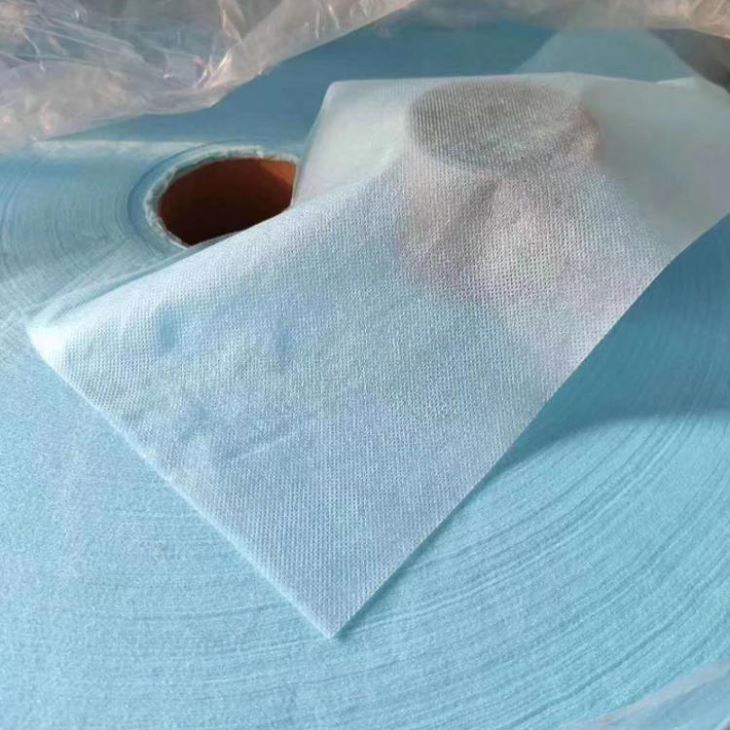
PP nonwoven fabric, also known as polypropylene nonwoven fabric, is a type of nonwoven material made from thermoplastic polypropylene fibers. Nonwoven fabrics are manufactured by bonding or interlocking fibers together using various techniques such as needle punching, spunbonding, or meltblowing. PP nonwoven fabric is known for its high tensile strength, durability, and versatility, making it a popular choice in various industries such as agriculture, automotive, construction, medical, and hygiene. It is used in a wide range of products such as bags, packaging, filters, geotextiles, protective clothing, surgical masks, and wipes.
-
![PP Spunbond Nonwovens]() PP Spunbond NonwovensOur polypropylene spunbond nonwovens offer excellent uniformity at high-strength in all directions. We offer a wide range of styles with options for finishing treatments to suit an array of...read more
PP Spunbond NonwovensOur polypropylene spunbond nonwovens offer excellent uniformity at high-strength in all directions. We offer a wide range of styles with options for finishing treatments to suit an array of...read more -
![PP Melt Blown Nonwovens]() PP Melt Blown NonwovensMelt-blown non-woven fabric is a kind of ultrafine fiber non-woven material made by melt-blown process.read more
PP Melt Blown NonwovensMelt-blown non-woven fabric is a kind of ultrafine fiber non-woven material made by melt-blown process.read more


Lightweight
You can carry non-woven bags almost anywhere. These bags are lightweight and, therefore, will not strain your hands or shoulders while carrying them for a long time.
Cost-effective
From the point of view of business owners, non-woven bags are more cost-effective because it reduces the cost of shipment. Ideally, these costs are calculated on the basis of the weight, and these non-woven bags being light in weight, do not add to the weight of the item by a significant extent.
Eco-friendly
The non-woven bags are eco-friendly because the material is recyclable. This means that these bags do not pollute the land.The material is also washable, which makes it reusable. Being environmentally friendly and washable, it can also be used to make new bags. All these make it very cost-effective for manufacturers and business owners.
Energy saving
The non-woven bags do not need high energy to produce as the woven bags. This is because making these bags do not need weaving and knitting the material.Therefore, from the energy consumption perspective, it saves more energy. The more of these bags used, the more energy is saved.The cost and energy required to produce each batch of non-woven bags is also low. It also takes very little time to produce them. This makes them much more inexpensive.
What are the Applications of PP Nonwovens
Disposable medical and surgical garments
PP non woven fabric is often used in disposable medical and surgical garments, such as gowns, scrub suits, drapes and covers.
Non woven fabric for packaging
Non woven fabric for packaging is used in a variety of packaging applications, such as bags, pouches, wrappers, lining and padding.
Hospital bedding and linen
PP non woven fabric is also used in hospital bedding and linen, such as sheets, pillowcases and blankets.
Industrial filters
Industrial filters, such as air filters and oil filters, use PP non woven fabric to capture airborne particles and prevent them from entering the equipment.
Furniture upholstery
PP non woven fabric is often used as furniture upholstery, including on chairs, sofas and other pieces of furniture.
Carpet backing
Carpet backing rewards made from PP non woven fabric help to keep carpets in place and prevent them from slipping.
Types of PP Nonwovens
Spunbond Nonwoven Fabric
This is a lightweight, strong, and soft fabric made by bonding polypropylene fibers using heat and pressure. Spunbond nonwoven fabric is commonly used in medical and hygiene products, as well as in agriculture, construction, and automotive industries.
Meltblown Nonwoven Fabric
This is a fine and dense fabric made by melting and blowing polypropylene fibers at high temperatures. Meltblown nonwoven fabric has excellent filtration properties, making it suitable for use in face masks, air filters, and other filtration applications.
SMS Nonwoven Fabric
This is a composite fabric made by combining spunbond and meltblown nonwoven fabrics. SMS nonwoven fabric is strong, durable, and has excellent barrier properties against liquids and airborne particles. It is commonly used in medical and hygiene products, as well as in protective clothing and packaging materials.
Needle-punched Nonwoven Fabric
This is a nonwoven fabric made by mechanically interlocking fibers using needles. Needle-punched nonwoven fabric has good insulation and soundproofing properties, making it suitable for use in home textiles, furniture, and automotive applications.
Stitch-bonded Nonwoven Fabric
This is a nonwoven fabric made by mechanically bonding fibers together using stitching techniques. Stitch-bonded nonwoven fabric is strong, durable, and has good drapability, making it suitable for use in home textiles, clothing, and upholstery.
Biodegradability
Non-woven fabrics are made from fibers that are not woven together, but rather bonded through chemical, thermal, or mechanical processes. Unlike traditional woven fabrics, non-woven fabrics can break down over time and degrade naturally, which reduces their impact on the environment.
Lower energy consumption
Non-woven fabrics typically require less energy to produce than woven fabrics, which require weaving, spinning, and knitting processes. This means that less energy is required to produce non-woven fabrics, which leads to a lower carbon footprint.
Reduced waste
Non-woven fabrics can be made from recycled materials, reducing the amount of waste that goes into landfills. Additionally, non-woven fabrics can be recycled after use, further reducing their environmental impact.
Versatility
Non-woven fabrics can be used in a wide range of applications, from medical and hygiene products to furniture and automotive interiors. This versatility means that non-woven fabrics can replace other types of plastic fabrics in many applications, reducing the environmental impact of those materials.
Advantages of Using PP Nonwovens Fabrics in Agriculture
Keeping the heat
The agriculture nonwoven fabric has a lower transmittance to long-wave light than plastic film. The thermal insulation effect of covering is outstanding because the radiation area at night primarily relies on long-wave radiation.
Controlling air permeability and humidity
The agriculture Nonwoven fabrics are made up of fibers of PP that are overlapped into a high-voltage network that can breathe, permeate, and adjust humidity automatically.
Cooling and shading
It is shaded and cooled by a black Agriculture Non-Woven Fabric; different colors of non-woven fabrics have different shading and cooling effects; the best shading effect is black, which is used as a“two-way heat preservation material.The heat preservation performance can be significantly improved by adding“two-way”heat preservation material (non-woven fabric).
Capillary matting
Non woven in agriculture is used in horticulture to distribute moisture to growing plants, and non woven polypropylene flexible intermediate bulk containers (FIBCs) or “big bags” are increasingly being used in place of jute, paper, or plastic sacks for bulk storage and transportation of fertilizer and agricultural products.
How to Choose PP Nonwovens

Size
Determine the appropriate size of the bag based on the items you intend to carry. Consider the dimensions of your products and ensure the bag has enough space to accommodate them comfortably.
Durability
Nonwoven carry bags come in different GSM (grams per square meter) ratings, which indicate their thickness and strength. Choose a bag with a GSM rating that suits your intended use. Higher GSM bags offer greater durability and can withstand heavier loads.You can customize Nonwoven carry bags with various designs, including logos, patterns, and colors. Choose a design that aligns with your brand identity and marketing goals. Custom designs will enhance brand recognition and create a lasting impression on your customers.
Handles
Consider the type of handles that best suit your needs. Nonwoven carry bags typically come with loop handles, die-cut handles, or sewn handles. Choose handles that are comfortable to carry and can withstand the weight of your products.
Closure
Nonwoven carry bags can have different closure mechanisms, such as zippers, buttons, or Velcro. Select a closure that provides secure and easy access to the contents of the bag.
Environmental Impact
Nonwoven carry bags are generally eco-friendly and biodegradable. However, some bags may contain harmful chemicals or materials. Choose nonwoven carry bags made from recycled materials or those that are certified as biodegradable to minimize your environmental impact.
Polypropylene nonwoven fabric has several features that make it a popular choice for various applications. Some of the best features of polypropylene nonwoven fabric are:
Strength and durability: Polypropylene nonwoven fabric is known for its high tensile strength and durability, which make it suitable for heavy-duty applications.
Lightweight: Polypropylene nonwoven fabric is lightweight, making it easy to handle and transport.
Water-resistant: Polypropylene nonwoven fabric has water-resistant properties, making it suitable for use in products that require protection from moisture.
Breathability: Polypropylene nonwoven fabric is breathable, allowing air to pass through it. This feature makes it suitable for use in products that require ventilation.
Chemical resistance: Polypropylene nonwoven fabric is resistant to many chemicals, making it suitable for use in products that require protection from chemical exposure.
Cost-effective: Polypropylene nonwoven fabric is a cost-effective alternative to other materials, making it a popular choice in various industries.
How are PP Nonwovens Made?
Web formation
Nonwovens manufacturing starts by the arrangement of fibres in a sheet or web. The fibres can be staple fibres or filaments extruded from molten polymer granules.
Web bonding
Webs have a limited initial strength right after the web formation (depending on various bonding mechanisms). The web needs therefore to be consolidated in one or the other way. The choice of the web consolidation method strongly depends on functional properties that are needed as well as on the type of fibres used.
Finishing treatment
The opportunity to combine different raw materials and different technologies accounts for the diversity of the industry and its products.This diversity is further enhanced by a range of finishing treatments. By finishing the nonwoven can be tailored or functionalized to meet specific properties. Finishing treatments can be either mechanical (stretching, perforating, crimping etc) or chemical. With the latter one can modify the surface of the fibres and the nonwoven to change the haptics or the repellency of the nonwoven.
● It is necessary to keep the microfiber non-woven fabric clean, and change and wash the microfiber non-woven fabric frequently to prevent moths from breeding.
● If the microfiber non-woven fabric is pilling, do not pull it forcefully. You must use scissors to cut off the pompom from the spunlace non-woven fabric to avoid being unable to repair due to thread-off.
● When storing microfiber non-woven fabrics for different seasons, they must be washed, ironed, and dried, sealed in a microfiber non-woven plastic bag, and placed flat in the closet. Pay attention to shading to prevent fading. It should be ventilated and dust-removed frequently. Spunlace non-woven fabric manufacturers should not be exposed to the sun. Anti-mold and anti-moth tablets should be placed in the wardrobe to prevent the cashmere products from being damp, moldy and insects.
● The spunlace non-woven fabric should be smooth for inner wear and the matching outer lining, and hard objects such as pens, key cases, mobile phones, etc. should not be placed in the pockets to avoid local friction and pilling. When wearing outside, try to reduce the friction with hard objects (such as sofa backs, armrests, tabletops) and hooks with superfine fiber non-woven fabrics. The wearing time is not easy to be too long. It must be stopped or changed for about 5 days to restore the elasticity of the clothes to avoid fiber fatigue and damage.
PP nonwoven fabric is a thermoplastic material with excellent comprehensive performance; moreover, it is small in density, easy to produce and has low production costs. However, it also has some defects, such as a low melting point, low thermal deformation temperature, poor creep-resistant performance, poor dimensional stability, low temperature brittleness, etc.
On the other hand, PP nonwoven fabric itself is resistant to erosion by mildew, but it cannot directly kill it. Furthermore, its side-chain polymers have flexible molecule chains and are non-polar, with the latter attribute making it difficult to blend with other polymers, and the weak molecule combination making its heat resistance poor. Thus, in order to expand the functions of PP nonwoven fabrics, it is necessary to modify and process it.
For industry structure analysis, the PP non-woven fabric industry is highly fragmented. A variety of manufacturers ranging from large multinational corporations to small privately owned companies compete in this industry. The top eight producers account for less than 40% of the market. Regionally, China is the biggest production area of PP non-woven fabric, also the leader in the whole nonwoven industry. Europe and USA also produce large amount of PP non-woven fabric per year.
Our Factory
Innovo Industries is an innovative manufacturer of thermoplastic sheets, panel system and derivative products. Located near Shanghai, Innovo covers an area of 20,000 square meters, standard workshop of 15,000 square meters and employs a staff force of more than 100 people including 15 senior technicians. For the past 10 years, Innovo has been devoted to manufacturing polycarbonate sheets, meanwhile manufacturing other thermoplastic sheets and derivative products to cater for the diversified market.We own 5 world class Co-extrusion lines, of which 2 are for multiwall sheets, 1 for solid sheets, 1 for standing-seam system and 1 for accessories. We also have various cutting machines, engraving machines, polishing machines and thermoforming machines. Relying on our superior innovation capability and hardware platform, Innovo has become a leading manufacturer of thermoplastic sheets in China. Our products are widely used in segments of agriculture, construction, architecture, advertisements, DIY, fabrication and etc.

Our Certificates


FAQ
Q: Is pp non-woven fabric eco friendly - biodegradable or recyclable?
Q: Is polypropylene non-woven fabric breathable?
Q: Is polypropylene spunbond non-woven fabric waterproof?
Q: What is nonwoven PP?
Q: Are nonwoven fabrics made of polyester or polypropylene?
Q: Is PP a polyester?
Q: What is the most common non-woven fabric?
Q: Which is better woven or nonwoven?
Q: What are the cons of polypropylene fabric?
Q: Is non-woven polypropylene safe?
Q: Is PP the same as nylon?
Q: Is PP the same as polypropylene?
Q: What is the strongest cloth?
Q: What does non-woven polypropylene feel like?
Q: Is polypropylene better than polyester?
Q: Does polypropylene degrade over time?
Q: Does polypropylene scratch easily?
Q: What happens to polypropylene when it gets wet?
Q: What is the issue with polypropylene?
Q: What glue can be used on polypropylene?
Feel free to wholesale pp nonwovens made in China from professional pp nonwovens manufacturers and supplies in China here. Our factory will provide you with the best products at competitive price.
embossed ps sheet, general purpose ps sheet, plastic sheet