

As a supplier of PC tubes, I often receive inquiries about the price of PC tubes with good electrical insulation. In this blog, I will delve into the factors that influence the price of such PC tubes and provide you with a comprehensive understanding of the cost structure.

Understanding PC Tubes with Good Electrical Insulation
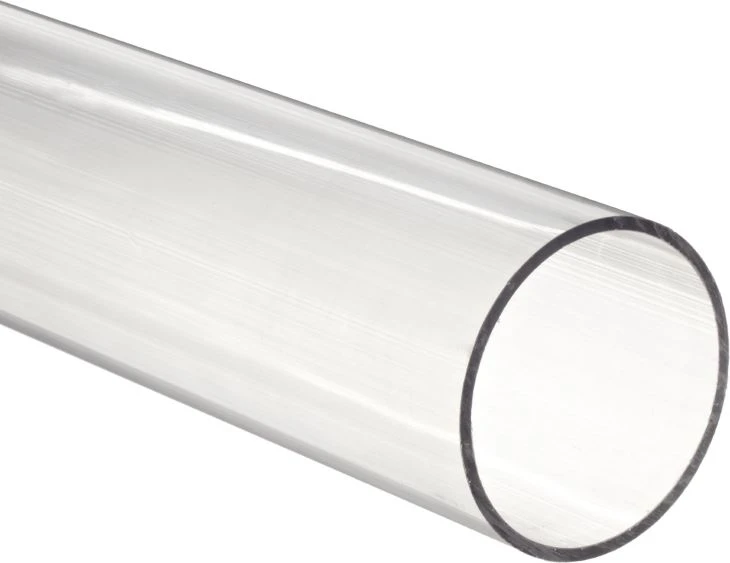
PC, or polycarbonate, is a thermoplastic polymer known for its excellent mechanical properties, transparency, and electrical insulation. PC tubes with good electrical insulation are widely used in various industries, including electrical engineering, electronics, and telecommunications. These tubes are designed to protect wires, cables, and other electrical components from environmental factors, mechanical damage, and electrical interference.
Factors Affecting the Price of PC Tubes with Good Electrical Insulation
The price of PC tubes with good electrical insulation can vary significantly depending on several factors. Here are some of the key factors that influence the cost:
- Material Quality: The quality of the polycarbonate material used in the production of the tubes is a major determinant of the price. High-quality polycarbonate resins with superior electrical insulation properties and mechanical strength are more expensive than lower-grade materials. Additionally, the use of additives and modifiers to enhance the electrical insulation performance can also increase the cost.
- Tube Dimensions: The size and thickness of the PC tubes play a crucial role in determining the price. Larger diameter tubes and thicker walls require more material and more complex manufacturing processes, which can result in higher costs. Custom-made tubes with non-standard dimensions may also be more expensive due to the additional setup and production time.
- Manufacturing Process: The manufacturing process used to produce the PC tubes can also impact the price. Extrusion is the most common method for producing PC tubes, but other processes such as injection molding and blow molding may be used for specific applications. Each manufacturing process has its own advantages and disadvantages, and the choice of process can affect the cost, quality, and production efficiency.
- Quantity: The quantity of PC tubes ordered can have a significant impact on the price. Bulk orders typically result in lower unit costs due to economies of scale. Manufacturers can spread the fixed costs of production, such as setup fees and tooling costs, over a larger number of units, resulting in a lower per-unit price.
- Market Demand: The market demand for PC tubes with good electrical insulation can also influence the price. If the demand for these tubes is high and the supply is limited, the price may increase. Conversely, if the market is saturated with suppliers and the demand is low, the price may decrease.
Price Range of PC Tubes with Good Electrical Insulation
The price of PC tubes with good electrical insulation can vary widely depending on the factors mentioned above. On average, the price of a standard PC tube with good electrical insulation can range from $[X] to $[X] per linear foot. However, custom-made tubes or tubes with special requirements may cost significantly more.
It's important to note that the price is just one aspect to consider when purchasing PC tubes. Quality, reliability, and compliance with industry standards are also crucial factors that should not be overlooked. When comparing prices from different suppliers, make sure to consider the overall value and not just the lowest price.
Comparing PC Tubes with Other Types of Tubes
In addition to PC tubes, there are other types of tubes available in the market that offer electrical insulation properties. Two common alternatives are PMMA tubes and acrylic tubes.
-
PMMA Tube: PMMA, or polymethyl methacrylate, is a transparent thermoplastic known for its excellent optical clarity and weather resistance. PMMA tubes are often used in applications where transparency and aesthetics are important, such as lighting fixtures and display cases. While PMMA tubes offer good electrical insulation, they may not be as strong or impact-resistant as PC tubes.
-
Acrylic Tube: Acrylic tubes are similar to PMMA tubes and are also made from polymethyl methacrylate. They offer similar properties to PMMA tubes, including good optical clarity and weather resistance. Acrylic tubes are commonly used in applications where transparency and chemical resistance are required, such as aquariums and chemical storage containers. Like PMMA tubes, acrylic tubes may not be as strong or impact-resistant as PC tubes.
-
Clear Polycarbonate Tube: Clear polycarbonate tubes offer a combination of transparency and excellent mechanical properties, including high impact resistance and good electrical insulation. They are often used in applications where both visibility and protection are required, such as safety shields and electrical enclosures.
Conclusion
The price of a PC tube with good electrical insulation depends on several factors, including material quality, tube dimensions, manufacturing process, quantity, and market demand. When purchasing PC tubes, it's important to consider the overall value and not just the price. Quality, reliability, and compliance with industry standards are also crucial factors that should not be overlooked.
If you're in the market for PC tubes with good electrical insulation, I encourage you to contact me for a personalized quote. As a supplier with extensive experience in the industry, I can provide you with high-quality PC tubes at competitive prices. Whether you need standard tubes or custom-made solutions, I can work with you to meet your specific requirements.
Don't hesitate to reach out to me to discuss your needs and explore the possibilities. I look forward to working with you and helping you find the right PC tubes for your application.
References
- "Polycarbonate: Properties, Processing, and Applications." Encyclopedia of Polymer Science and Technology.
- "Electrical Insulation Materials: Properties and Applications." Handbook of Electrical and Electronic Insulating Materials.
- "Plastic Tubes: Manufacturing, Properties, and Applications." Plastics Engineering Handbook.