

Hey there! As a supplier of PC tube prices, I've seen firsthand how the material quality of PC tubes can have a huge impact on their price. In this blog, I'm gonna break down the relationship between material quality and price, so you can make informed decisions when it comes to purchasing PC tubes.

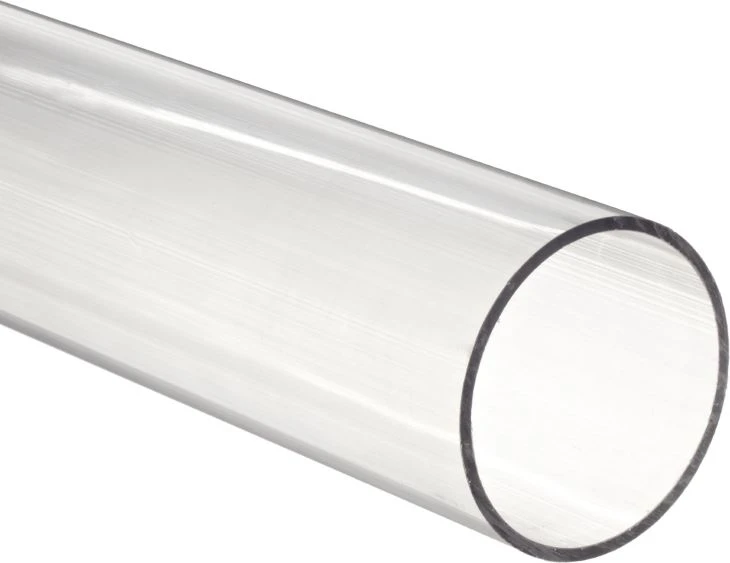
First off, let's talk about what PC tubes are. PC stands for polycarbonate, which is a type of thermoplastic polymer. PC tubes are widely used in various industries, such as construction, automotive, and electronics, due to their excellent mechanical properties, transparency, and heat resistance.
Now, when it comes to the material quality of PC tubes, there are several factors to consider. One of the most important factors is the raw material used to make the tubes. High - quality PC tubes are typically made from virgin polycarbonate resin. Virgin resin is pure and has consistent properties, which means the tubes made from it will have better performance and durability.
On the other hand, some manufacturers may use recycled polycarbonate resin to cut costs. While recycled resin can be a more environmentally friendly option, it often contains impurities and has inconsistent properties. Tubes made from recycled resin may be more prone to cracking, yellowing over time, and may not have the same level of strength as those made from virgin resin. As a result, PC tubes made from virgin resin usually come with a higher price tag compared to those made from recycled resin.
Another factor that affects the material quality and price of PC tubes is the manufacturing process. High - quality PC tubes are produced using advanced manufacturing techniques that ensure precise dimensions, smooth surfaces, and uniform wall thickness. For example, extrusion is a common method for making PC tubes. In a high - end extrusion process, the temperature, pressure, and speed are carefully controlled to produce tubes with excellent quality.
In contrast, lower - quality tubes may be manufactured using less sophisticated equipment or with looser process controls. This can lead to tubes with uneven wall thickness, rough surfaces, or other defects. These tubes may not meet the strict requirements of some applications and are generally sold at a lower price.
The additives used in the PC tubes also play a role in determining their quality and price. Additives can enhance the performance of PC tubes in various ways. For instance, UV stabilizers can be added to protect the tubes from the harmful effects of sunlight, which is especially important for outdoor applications. Flame retardant additives can make the tubes more fire - resistant, which is crucial in some safety - critical applications.
Tubes with these performance - enhancing additives are usually of higher quality and, therefore, more expensive. Without these additives, the tubes may be cheaper but may not be suitable for certain demanding environments.
Let's take a look at some real - world examples to illustrate the price differences based on material quality. If you're in the market for clear polycarbonate tubes, you can check out Clear Polycarbonate Tube. High - quality clear PC tubes made from virgin resin with proper additives will offer excellent optical clarity, long - term stability, and are less likely to develop scratches or discoloration. These tubes are ideal for applications where transparency and aesthetics are important, such as display cases or lighting fixtures. You'll find that these top - notch clear PC tubes are priced higher compared to lower - quality alternatives.
Similarly, Polycarbonate Tubing comes in different grades. The ones with better material quality can withstand higher temperatures, have greater impact resistance, and are more dimensionally stable. These high - performance tubes are often used in industrial applications where reliability is key. In contrast, lower - quality polycarbonate tubing may be more suitable for less demanding applications, like some DIY projects, and are available at a more affordable price.
When comparing PC tubes with PMMA Tube, PMMA (polymethyl methacrylate) is another type of plastic tube material. PMMA tubes are known for their high optical clarity, but they are generally less impact - resistant than PC tubes. The price of PMMA tubes can also vary depending on their material quality. Higher - quality PMMA tubes may have better scratch resistance and UV stability, which will increase their cost.
So, how does all this impact the end - user? Well, if you're a business or an individual looking to purchase PC tubes, you need to balance your budget with your requirements. If you're working on a project where quality and performance are non - negotiable, such as a high - end architectural installation or a critical industrial application, it's worth investing in high - quality PC tubes. Although they cost more upfront, they can save you money in the long run by reducing the need for replacements and maintenance.
On the other hand, if you're on a tight budget or working on a project with less demanding requirements, lower - quality PC tubes may be a viable option. Just make sure you understand the limitations of these tubes and whether they can meet the basic needs of your project.
As a PC tube price supplier, I'm always here to help you find the right PC tubes for your needs. Whether you're looking for high - quality tubes for a large - scale industrial project or more affordable options for a small DIY job, I can provide you with detailed information about the material quality, performance, and price of different PC tubes.
If you're interested in purchasing PC tubes, I encourage you to reach out and start a conversation. We can discuss your specific requirements, and I'll do my best to offer you the most suitable products at competitive prices. Don't hesitate to get in touch to start the procurement negotiation process.
References:
- "Plastics Technology Handbook" - This comprehensive handbook provides in - depth information about the properties, manufacturing processes, and applications of various plastics, including polycarbonate.
- Industry reports on the plastic tube market, which offer insights into the trends in material quality and pricing of PC tubes.