

Hey there! As a supplier of plastic tubes, I often get asked whether plastic tubes can be used in laboratory settings. Well, the answer is a resounding yes! In this blog post, I'll dive into the details of why plastic tubes are a great option for labs, the types of plastic tubes available, and some key considerations when using them.
Why Plastic Tubes in the Lab?
First off, let's talk about why plastic tubes are so popular in laboratory environments. One of the biggest advantages is their versatility. Plastic tubes come in a wide range of shapes, sizes, and materials, which means they can be used for a variety of applications. Whether you're conducting chemical reactions, storing samples, or performing analytical tests, there's likely a plastic tube that's perfect for the job.
Another major benefit is their cost - effectiveness. Compared to glass tubes, plastic tubes are generally much cheaper to produce and purchase. This is especially important for labs on a tight budget, as they can save a significant amount of money by using plastic tubes instead of glass. Plus, plastic tubes are often disposable, which eliminates the need for cleaning and sterilization between uses, further reducing costs.
Plastic tubes are also lightweight and shatter - resistant. In a busy lab environment, accidents can happen. Glass tubes can break easily, posing a safety hazard and potentially contaminating samples. Plastic tubes, on the other hand, are much more durable and less likely to break, making them a safer option for both lab personnel and the samples being handled.
Types of Plastic Tubes for Labs
Now, let's take a look at some of the different types of plastic tubes that are commonly used in laboratories.
Polycarbonate Tubes
Clear Polycarbonate Tube is a popular choice for many lab applications. Polycarbonate is a strong, transparent plastic that offers excellent impact resistance. It can withstand high temperatures and is resistant to many chemicals, making it suitable for use in a variety of experiments. Polycarbonate tubes are often used for applications where visibility is important, such as in flow cytometry or for observing chemical reactions.
Acrylic Tubes
Acrylic Tube is another great option. Acrylic is a clear, lightweight plastic that has good optical clarity. It's also resistant to UV light, which makes it suitable for applications where samples need to be protected from light. Acrylic tubes are commonly used for storing and displaying samples, as well as for applications in microscopy and tissue culture.
PC Tubes
PC Tube (which is short for polycarbonate tube) shares many of the same properties as the clear polycarbonate tubes mentioned earlier. PC tubes are known for their high strength and heat resistance. They can be used in a wide range of lab equipment, including centrifuge tubes and tubing for fluid transfer.
Considerations When Using Plastic Tubes in Labs
While plastic tubes offer many advantages, there are also some important considerations to keep in mind when using them in a laboratory setting.
Chemical Compatibility
One of the most critical factors is chemical compatibility. Different plastics have different resistance levels to various chemicals. For example, some plastics may be easily dissolved or damaged by strong acids or organic solvents. Before using a plastic tube with a particular chemical, it's essential to check the chemical compatibility chart provided by the tube manufacturer. This will help ensure that the tube doesn't react with the chemical and contaminate the sample.
Temperature Resistance
Another important consideration is temperature resistance. Some plastic tubes can withstand high temperatures, while others may deform or melt at relatively low temperatures. If your experiment involves heating or cooling, make sure to choose a plastic tube that can handle the temperature range required.
Sterilization
If you're using plastic tubes for applications that require sterile conditions, such as in microbiology or cell culture, you need to consider the sterilization method. Not all plastics can be autoclaved (sterilized using high - pressure steam). Some plastics may be damaged by the high temperatures and pressures involved in autoclaving. In such cases, alternative sterilization methods like gamma irradiation or chemical sterilization may be necessary.
How to Choose the Right Plastic Tubes for Your Lab
So, how do you go about choosing the right plastic tubes for your laboratory? Here are some tips:
- Identify Your Application: First, determine what you'll be using the tubes for. Is it for storing samples, conducting reactions, or something else? This will help you narrow down the types of plastic tubes that are suitable.
- Consider the Sample Requirements: Think about the properties of the samples you'll be working with. Do they require protection from light, chemicals, or temperature changes? This will influence your choice of plastic material and tube features.
- Evaluate the Tube Features: Look at the features of the tubes, such as their size, shape, and closure type. Make sure the tubes are the right size for your samples and that the closure provides a secure seal to prevent leakage.
Contact Us for Your Plastic Tube Needs
If you're in the market for high - quality plastic tubes for your laboratory, look no further! As a trusted supplier of plastic tubes, we offer a wide range of products to meet your specific needs. Our team of experts can help you choose the right plastic tubes for your applications and provide you with all the information you need.

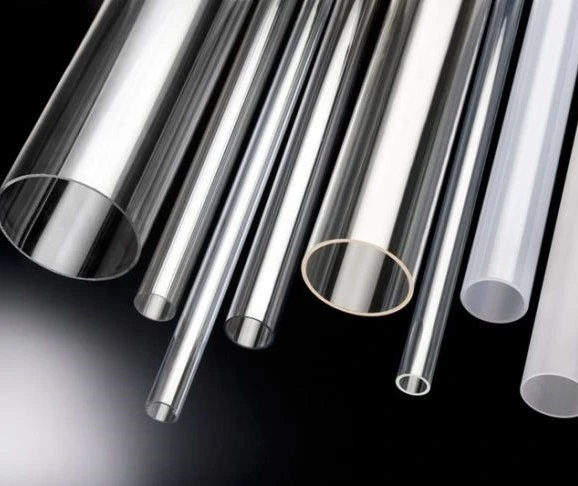
Whether you need Clear Polycarbonate Tube, Acrylic Tube, or PC Tube, we've got you covered. Don't hesitate to reach out to us to discuss your requirements and get a quote. We're here to make your lab operations as smooth and efficient as possible.
References
- "Plastic Materials in the Laboratory: A Guide to Selection and Use." Chemical Society.
- "Laboratory Plastics: Properties and Applications." Wiley - VCH.